
How Long Does Powder Coating Last on Wheels and Metal Parts?
· By Fabiano Pereira
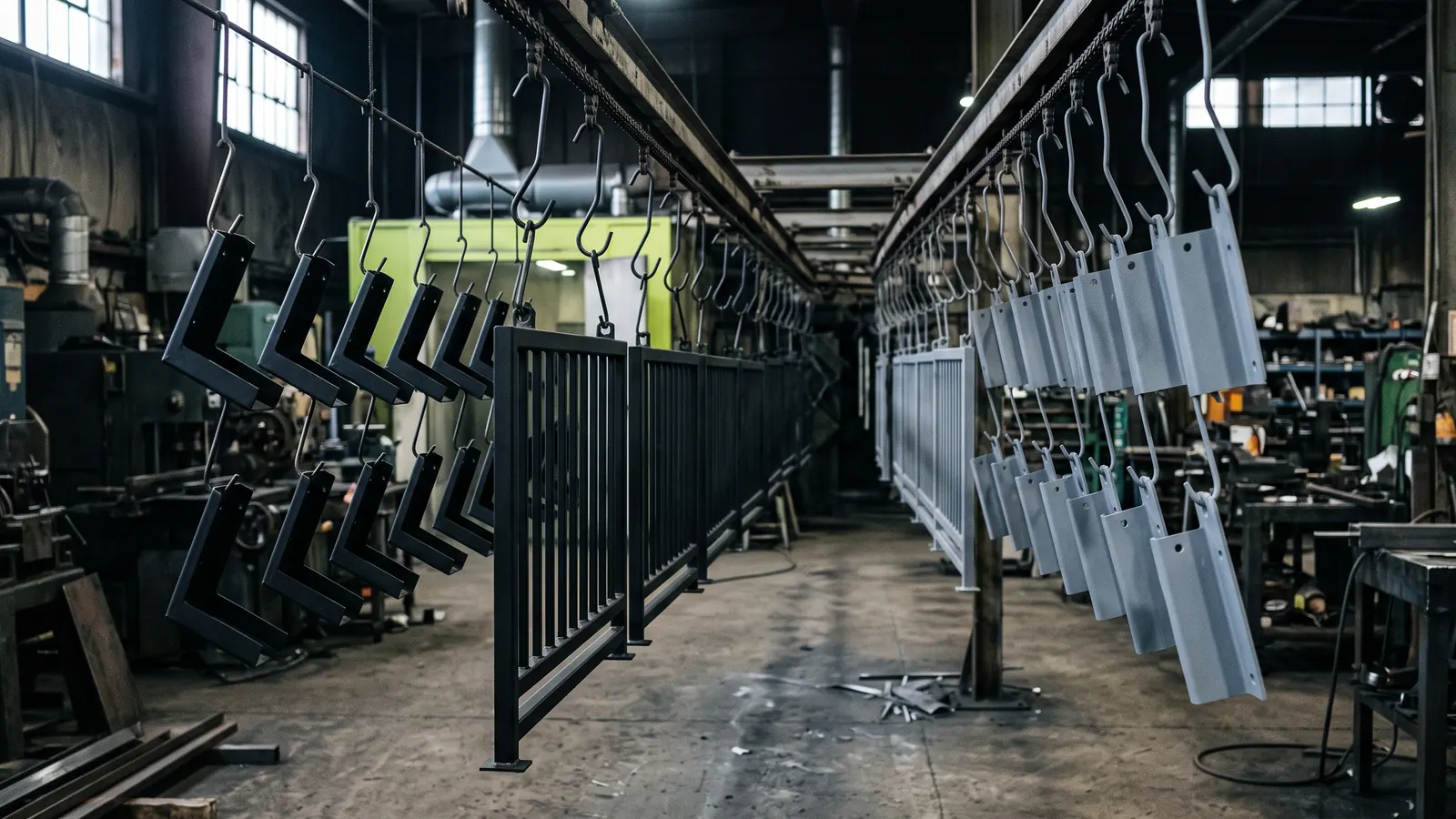
Powder coating has a reputation as the tough finish, and it earns it. But how long it actually lasts depends on three things more than the powder itself: how well the metal was prepped, what the part goes through every day, and how it is cleaned.
Here is a realistic look at lifespans for wheels, brake calipers, and general metal parts, with special attention to what a New England winter does to a finish.
The short answer
Industry-wide, a properly applied powder coat on wheels commonly lasts somewhere in the range of 5 to 10 years or more with normal care. On metal parts that do not take direct road abuse, like railings, furniture, or brackets, lifespans of 15 to 20 years outdoors are common for good exterior-grade powders, and indoor parts can last far longer.
Those numbers are typical ranges, not guarantees. A wheel on a weekend car stored in a garage may look new after a decade. A wheel on a winter commuter that gets hit with salt brine daily and cleaned once a season will show wear sooner.
What almost never happens with good powder coat is fast failure. When powder peels in big sheets within a year or two, the cause is nearly always poor prep, not the powder.
Prep decides more than the powder does
Powder coating bonds to clean metal. If oil, old paint, rust, or corrosion is left under the coating, the finish sits on top of a weak layer and eventually lets go. That is why serious shops strip parts completely, usually with media blasting or chemical stripping, before coating.
Cast aluminum wheels add another step. Cast metal is slightly porous and can trap air and contaminants that bubble out in the oven, a problem called outgassing. Pre-baking the wheel before coating drives that out so the finish cures smooth and well bonded.
If someone offers to powder coat over an existing finish without stripping it, expect the lifespan to drop accordingly.
What New England winters do to a finish
Road salt and liquid brine are the biggest enemies of any wheel finish in Rhode Island and Massachusetts. Brine creeps into chips, curb rash, and the bead area where the tire meets the wheel. Once it reaches bare aluminum, it starts corrosion that can push the coating up from underneath.
Potholes and curbs are the other threat. Every impact that chips the coating opens a door for salt. Routes like I-95, Route 2 in Warwick, and the stop-and-go streets around Providence and Boston deliver plenty of both by March.
Temperature swings matter less than people think. Cured powder handles freeze and thaw well. The damage comes from what the roads put on the wheel, not the cold itself.
Spring is when most of the winter damage becomes visible. Once the salt washes off in April, people notice the bubbling around the lug holes and the white spots on the inner barrel. Catching it then, before another season, usually means a simpler refinish instead of a heavier repair.
Wheels vs brake calipers vs metal parts
Wheels take the most punishment: brake dust, salt, impacts, and tire machines. They are the parts where lifespan varies most with driving habits.
Brake calipers run hot, but powder coat is cured at higher temperatures than calipers usually reach in street driving, so a properly coated caliper holds its color well. Brake fluid spills and harsh cleaners are the bigger risk, so wipe spills promptly.
Railings, gates, trailer parts, and equipment frames often outlast their owners' memory of when they were coated, as long as the coating is a UV-stable exterior powder. Interior-grade powders can chalk and fade in direct sun, so using the right powder for the job matters.
How to make powder coat last longer
Rinse wheels regularly in winter, especially after storms when roads are heavily treated. Even a quick rinse at a car wash cuts how long salt sits on the finish.
Use a pH-neutral wheel cleaner and a soft brush. Acid-based cleaners can dull gloss and attack any bare spots. Skip abrasive pads entirely. A coat of wheel sealant or ceramic coating on top makes brake dust easier to wash off.
Deal with chips early. A small chip on a wheel can be sealed with touch-up as a stopgap until the wheel is refinished, which keeps salt from spreading under the coat.
For metal parts like railings and gates, a simple rinse with mild soap a couple of times a year removes salt spray, pollen, and grime that can slowly dull the surface. Avoid pressure washing at very close range, which can lift the edge of any existing chip.
Signs it is time to recoat
Look for bubbling or lifting near the bead seat or spokes, white powdery corrosion pushing through, peeling edges, or large chips with dark spots around them. Those mean moisture is already under the finish.
Fading and chalking on outdoor metal parts is another sign, especially on south-facing railings that get full sun. Once the surface turns dull and powdery, the protection is thinning.
If you are seeing any of this, text us a photo of the wheel or part. From our shop in Warwick, RI, we can tell you whether it needs a full strip and recoat or just a closer look, and send a free quote.
Frequently asked questions
- How long does powder coating last on wheels?
- With good prep and normal care, powder coat on wheels commonly lasts somewhere around 5 to 10 years or more. Heavy road salt, frequent curb impacts, and harsh cleaners shorten that, while regular rinsing and gentle cleaning extend it.
- Does powder coating last longer than paint?
- Generally, yes. Powder coat is thicker and oven cured into a harder shell, so it resists chips, chemicals, and corrosion better than most paints, especially on wheels and outdoor metal.
- Does road salt ruin powder coated wheels?
- Salt does not attack intact powder coat quickly, but it gets into chips and curb rash and corrodes the aluminum underneath, which can lift the coating. Rinsing wheels often in winter and fixing chips early make a big difference.
- Why would powder coating peel early?
- Early peeling is almost always a prep problem: metal that was not fully stripped, contamination, or outgassing from cast wheels that were not pre-baked. A well-prepped part rarely peels in sheets.
- How long does powder coating last outdoors on railings or gates?
- Exterior-grade, UV-stable powder on properly blasted steel commonly lasts 15 to 20 years outdoors. Interior powders used outside can fade and chalk much sooner, so the powder type matters.
Found this helpful? Make us a preferred source on Google.
Want a price for your wheels or parts?
Send a photo for a free ballpark quote. The final price is set when we see the part at the Warwick shop.